Best time to visit: month-by-month guide for Tokyo and Shinjuku
Best months to visit Tokyo and stay at Shinjuku Granbell Hotel are March–May (spring) and October–November (autumn) for mild weather and clearer skies. Summers (June–August) are hot, humid and include a rainy season; winters (December–February) are colder, quieter, and good for lower crowds.
In this guide
March–May: Cherry blossoms and mild weather
Spring is one of Tokyo's most popular seasons. Cherry blossom viewing usually peaks between the last week of March and the first week of April, when parks and riverside areas near Shinjuku Gyoen fill with blooms.
Temperatures in spring are generally comfortable, often ranging from cool to mild during the day, making it an ideal time to walk through Kabukicho and nearby neighborhoods from the hotel's location at 2-14-5 Kabuki-cho.
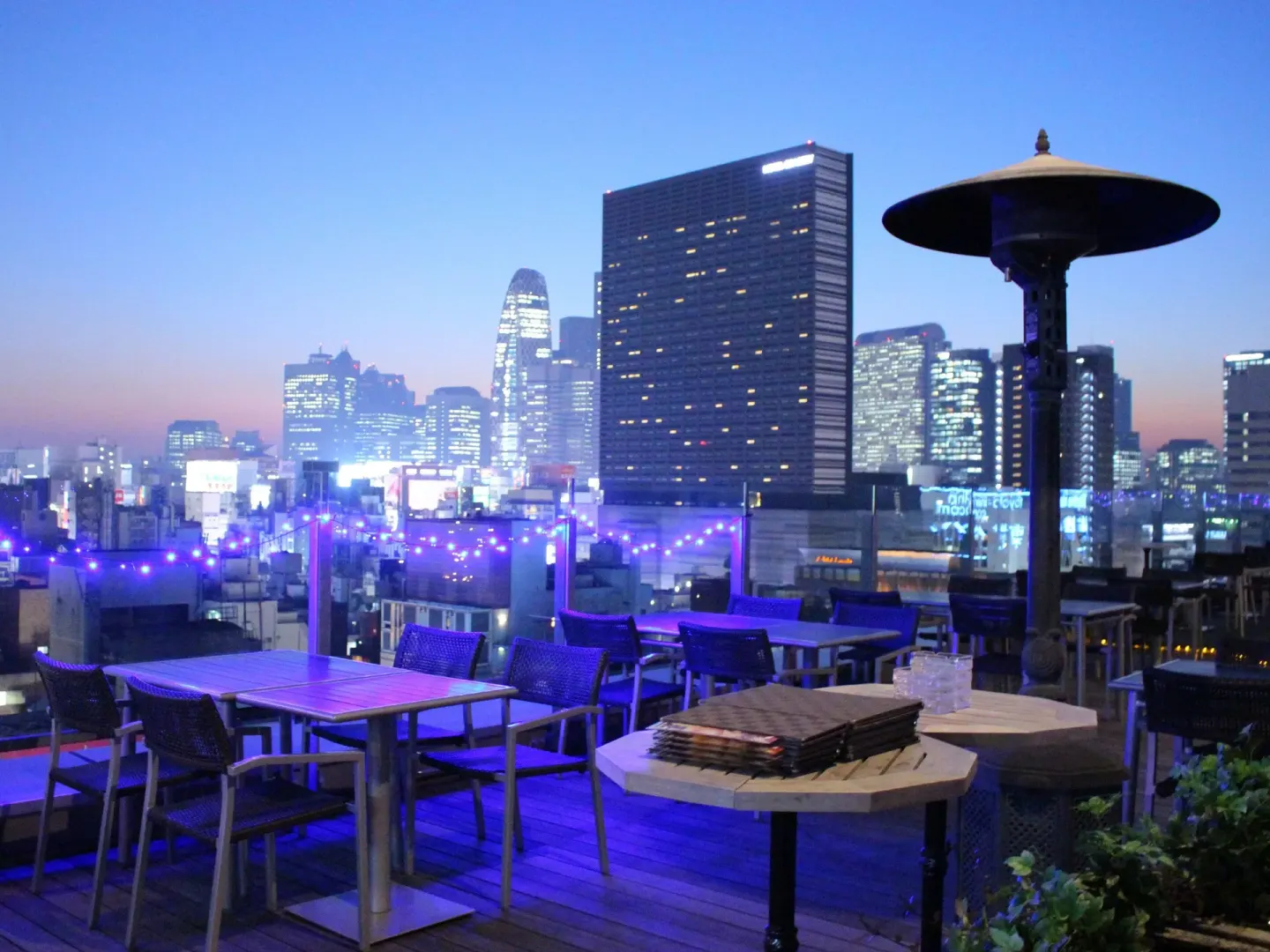
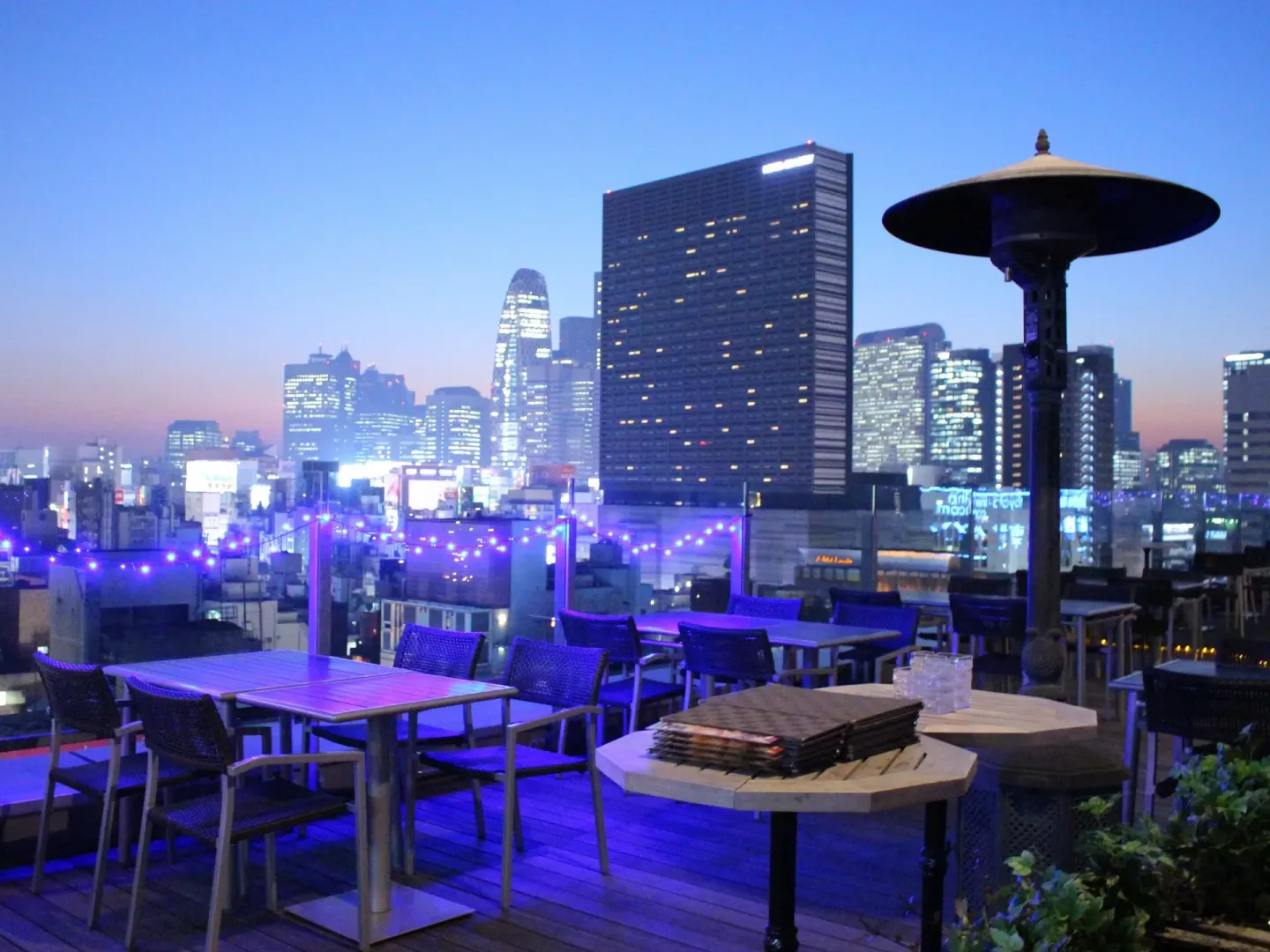
Expect higher demand and busier restaurants and attractions during late March–early April and over Golden Week (late April–early May). Plan reservations for popular dining times at restaurant G and rooftop seats if you want guaranteed space.
- Highlights: cherry blossoms at Shinjuku Gyoen, Golden Gai bars, daytime walks to the Samurai Museum
- What to pack: light layers, comfortable walking shoes, a compact umbrella for occasional showers
- Hotel tip: book early if you want a room with a city view (examples include Executive / Windows Room and Deluxe Room)
| Month | Why visit |
|---|---|
| March | Early cherry blossoms, cooler evenings |
| April | Cherry blossom peak, busy weekends |
| May | Warmer days, Golden Week can be crowded |
June–August: Rainy season and hot, humid summer
June typically brings the rainy season that can run into mid-July; expect more humidity and periodic heavy showers. July and August are hot and humid, with daytime highs often in the high 20s to low 30s °C.
This season is useful if you prefer fewer tourists at major sights and lower room rates outside peak holiday dates. However, plan for indoor options and air-conditioned spaces around Shinjuku on hot days.
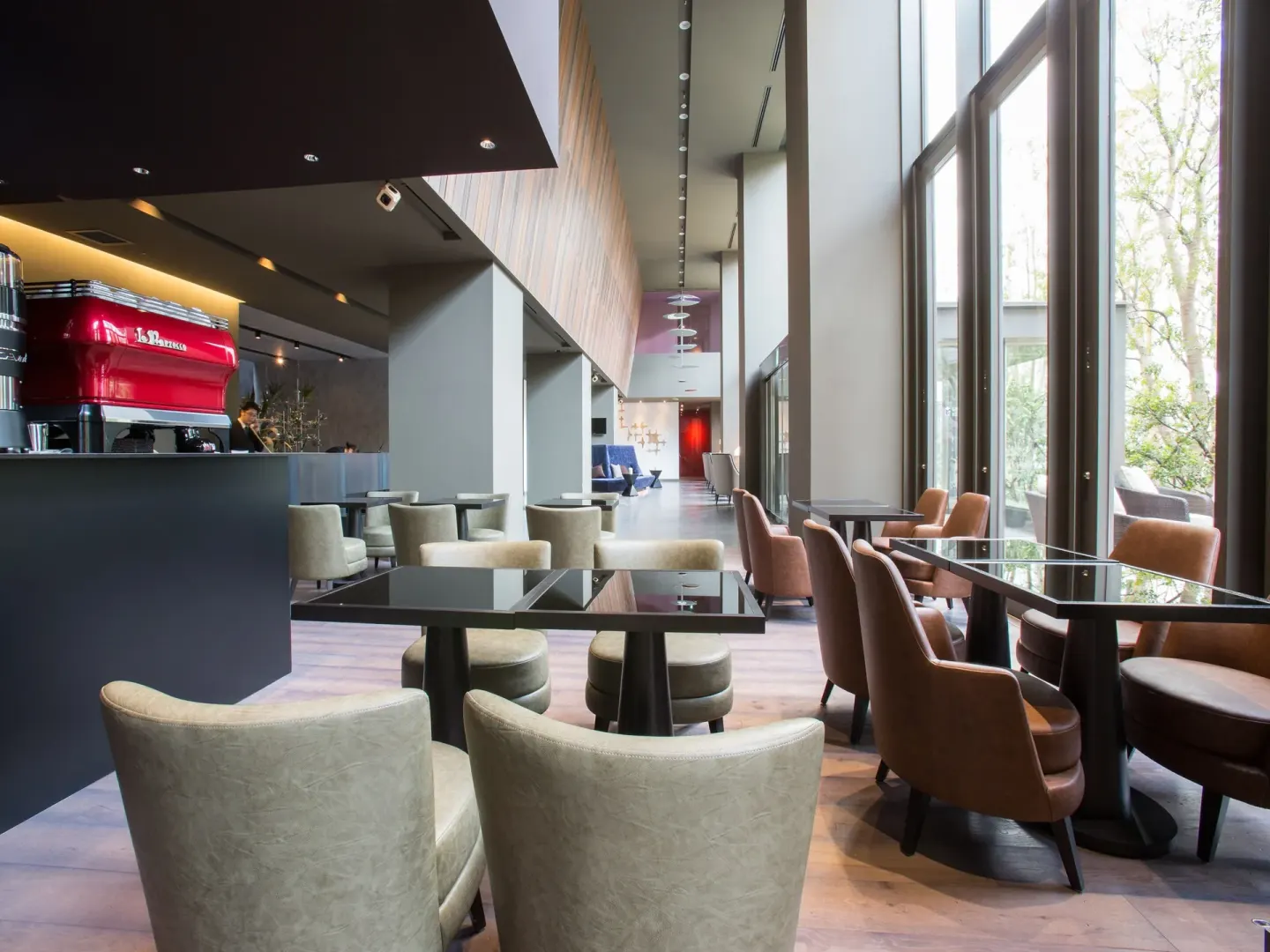
- Indoor activities: museum visits, shopping at Isetan Department Store, cafe/restaurants like live cafe G
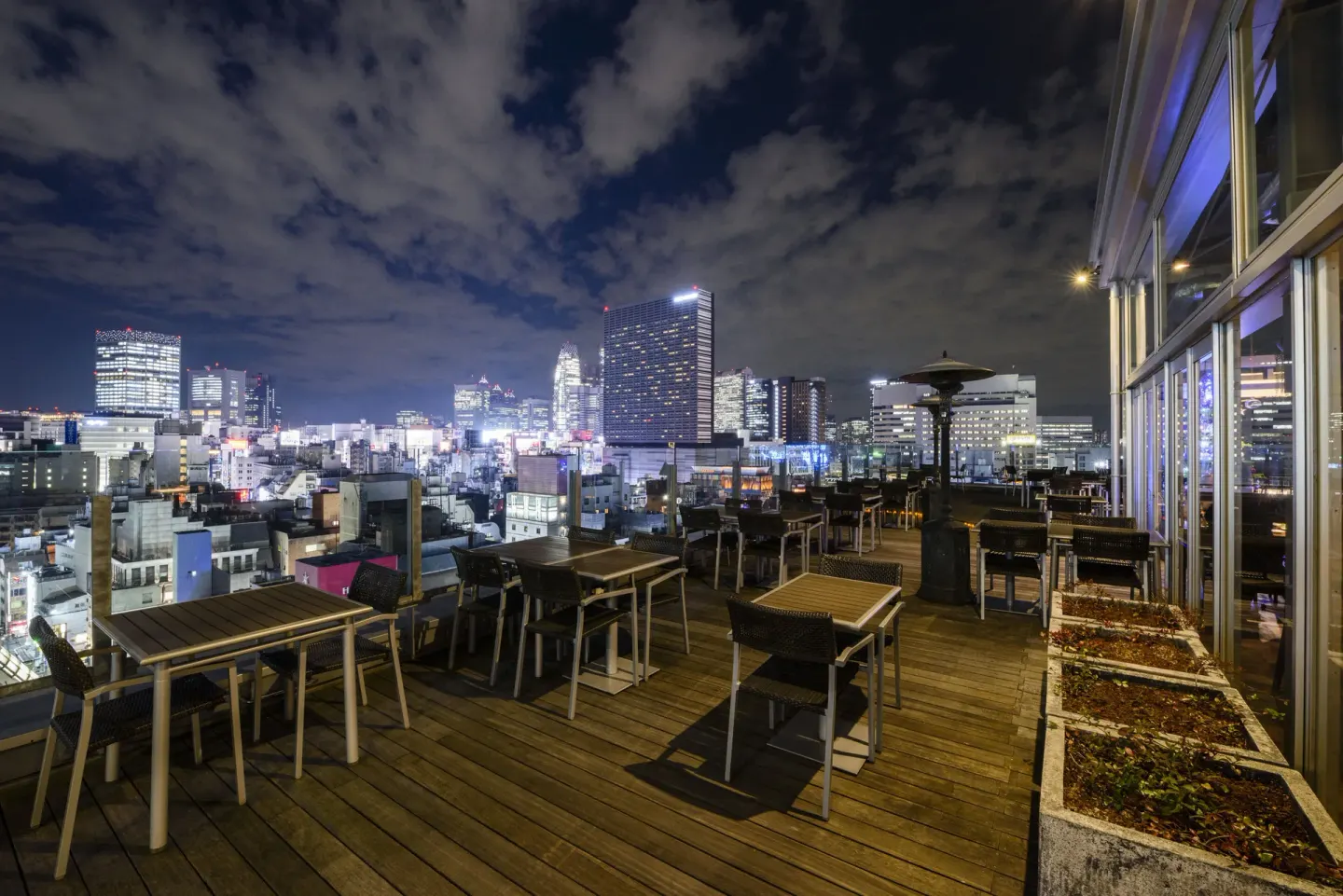
- Hotel services useful in summer: rooftop bar & terrace G is open evenings (check hours) for cooler night-time views
- Bring: lightweight breathable clothing, a sun hat, sunscreen, and a travel umbrella
| Month | Notes |
|---|---|
| June | Rainy season begins; expect showers |
| July | Hotter, sometimes humid but lively nightclub and rooftop scenes |
| August | Peak summer heat; many locals take vacations mid-month |
September–November: Typhoon risk early, then autumn foliage
September can still carry residual typhoon risk; by late September and October the weather generally cools and becomes drier. October–November are strong choices for clearer skies, comfortable daytime temperatures, and autumn leaf colour at nearby parks.
Autumn is popular for sightseeing and photography. Expect busy weekends in November when foliage peaks, and consider weekdays for quieter access to observation decks and neighborhood strolls.
- Best for: city sightseeing, Shinjuku Gyoen autumn leaves, pleasant rooftop evenings at roof top bar & terrace G
- What to check: weather forecasts in September and early October for typhoon advisories
- Hotel note: weekday stays can be less crowded; restaurant G serves breakfast and dinner at varied hours
| Month | Main draw |
|---|---|
| September | Lingering typhoon season — check forecasts |
| October | Crisp weather and early foliage |
| November | Peak autumn colours and higher visitor numbers |
December–February: Winter — cooler, quieter, and lower crowds
Winter in Tokyo is cool and generally dry, with daytime temperatures often between about 5–13°C. Crowds are typically lower outside of year-end holidays.
This can be a good time to visit if you prefer quieter streets and easier access to indoor attractions. Note that the hotel does not have an on-site spa or pool; for public hot-spring experiences, Thermae-Yu is located nearby and is a separate facility.
- Advantages: lower crowd levels, easier restaurant reservations, crisp clear days good for city views
- Consider bringing: a warm coat for evenings and early mornings
- Nearby options for warmth: many heated cafes and indoor shopping centers within walking distance
| Month | Why consider |
|---|---|
| December | Cooler with holiday lights; year-end crowds around New Year |
| January | Coldest month; clear skies common |
| February | Still cool and generally quieter |
Choosing the right room for the season and stay
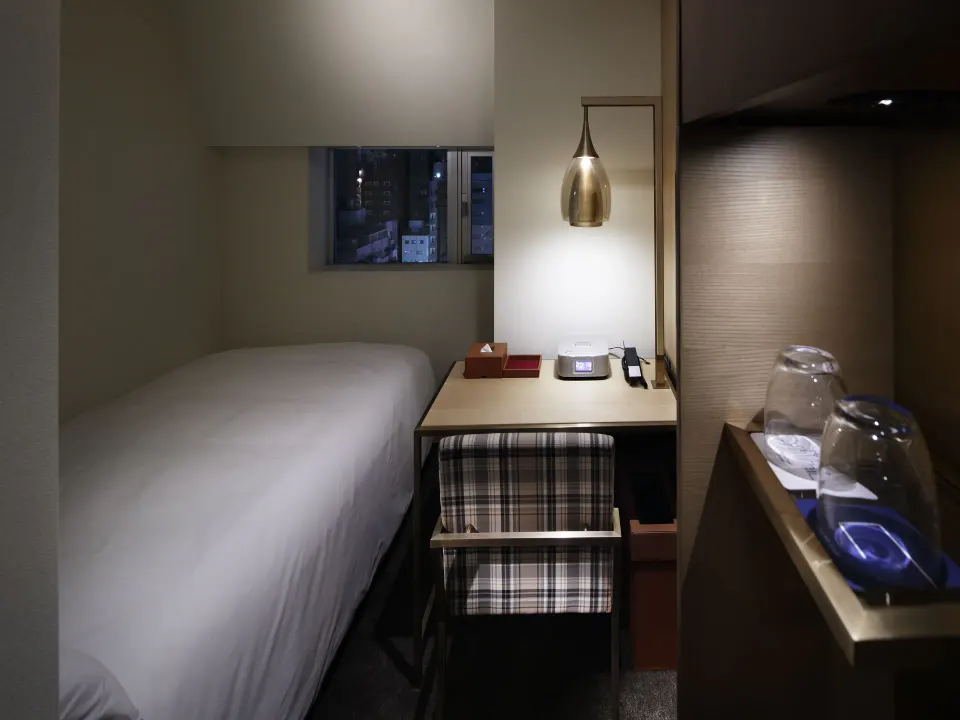
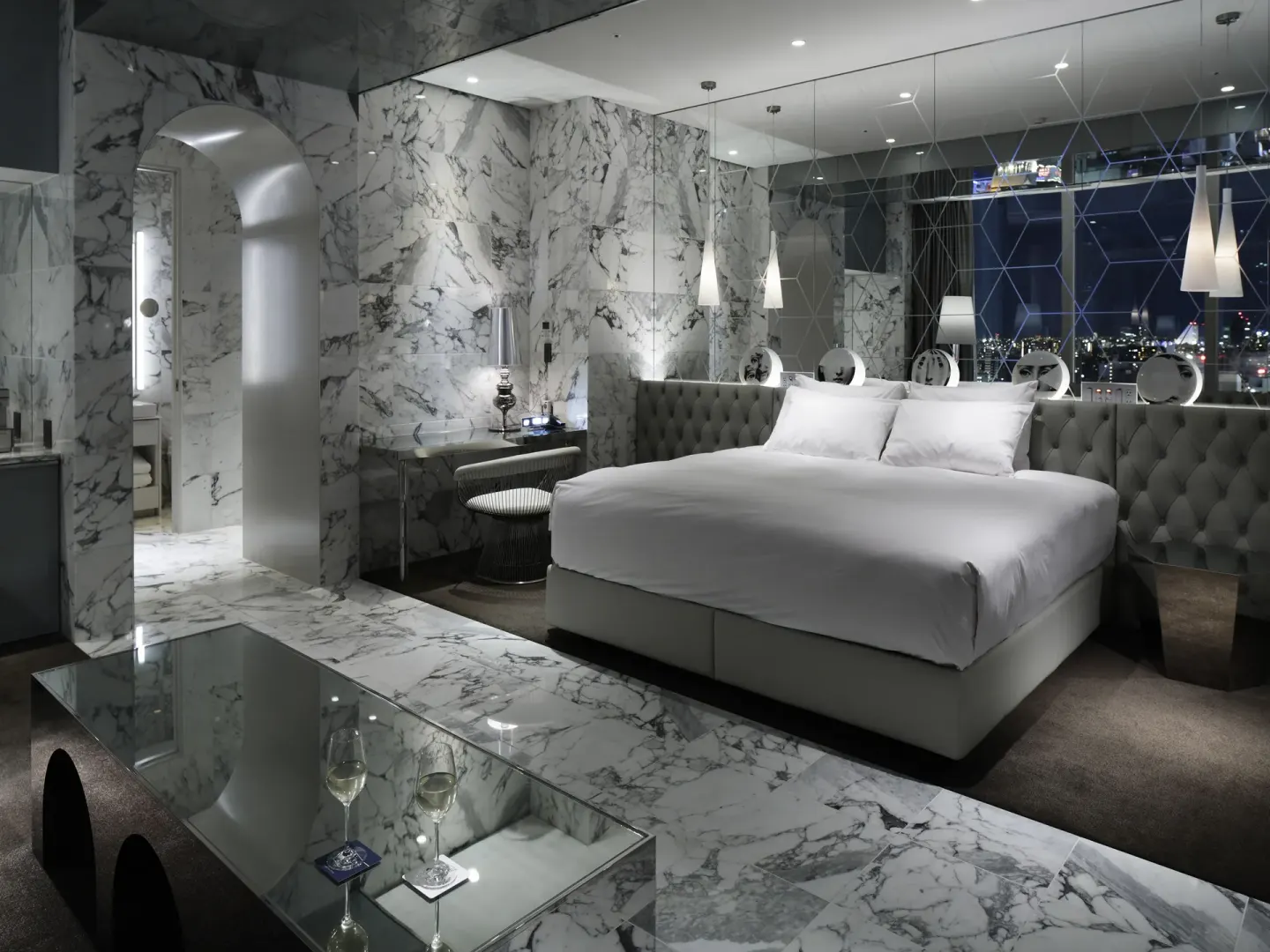
Rooms at Shinjuku Granbell Hotel are compact and design-focused; Simmons beds are standard across room types. Executive Rooms and Suites include Club Lounge access if you want a quieter space and lounge benefits.
If a city view or outdoor space will improve your stay, consider Executive / Windows Room, Deluxe with Loft and Terrace, or The Pent House Suite where available; confirm specific view details at booking.
- Smaller options: Economy Single, Economy Double, Economy Twin — compact layouts suited to short stays
- Mid-range: Superior Room, Deluxe Room, Superior Hollywood Room — more space or different layouts
- Loft and terrace options: Deluxe with Loft and Terrace, Deluxe with Loft (12th Floor) — add outdoor access or loft layout
| Room type examples | When to pick |
|---|---|
| Economy Single / Economy Double | Short stays, budget-conscious travelers |
| Executive / Studio / Executive / Windows Room | Longer stays or those seeking Club Lounge access |
| Deluxe with Loft and Terrace / The Pent House Suite | When you want outdoor terrace access or a larger suite layout |
Timing activities near the hotel
Shinjuku Granbell Hotel sits in Kabukicho and is within quick walking distance of Golden Gai, Omoide Yokocho, and local cultural sites like the Samurai Museum. Many of these nightlife and dining spots are busiest after dark.
For quieter daytime visits, head to Shinjuku Gyoen (best during spring and autumn) earlier in the day. For panoramic city observation decks, consider weekday mornings or late afternoons to avoid peak visitor times.
- Short walks: Samurai Museum (about 4 minutes), Golden Gai (about 5 minutes), live cafe G is on-site for daytime coffee
- Day trips: Hakone, Kamakura and Mount Takao are commonly launched from Shinjuku but check transit times and seasonal access
- Transport note: Higashi-Shinjuku Station is about a 4-minute walk from the hotel; Shinjuku Station is roughly a 15-minute walk
| Activity | Best time |
|---|---|
| Golden Gai / Kabukicho nightlife | Evening (after 8:00 PM) |
| Shinjuku Gyoen visits | Mornings or weekdays in spring/autumn |
| Rooftop at hotel | Evenings for city lights (check roof top bar & terrace G hours) |